← Home · Investigation

Exploratory Test Pit Services in Brisbane

Together, we solve the challenges of tomorrow.

DISCOVER →

A new townhouse development in Coorparoo hit unexpected buried fill when excavation began. The structural engineer had assumed natural clay from nearby site records — a costly mistake. An exploratory test pit dug before design would have revealed the old rubbish pit and tree roots directly. In Brisbane's varied geology, from the Neranleigh-Fernvale Beds to Quaternary alluvium along the river, a single test pit provides the clearest picture of shallow stratigraphy. We dig pits up to 4 m deep using a mini-excavator, log the soil profile according to AS 1726, and take disturbed and undisturbed samples for laboratory classification. For deeper profiling, we combine this with MASW-Vs30 testing to map stiffness contrasts without additional excavation. The result is a reliable ground model before foundation design.
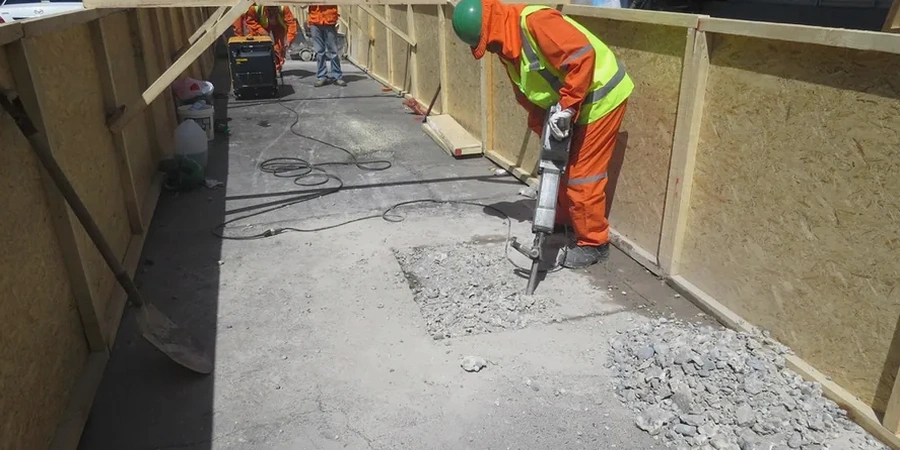
Illustrative image of Exploratory test pit in Brisbane
A single test pit reveals lateral variability that five boreholes can miss. Direct visual inspection changes foundation decisions.

Scope of work

Many local builders skip the test pit step and rely solely on boreholes. That is a mistake. Boreholes miss lateral variability — a lens of soft clay between stiff layers can go undetected. With an exploratory test pit in Brisbane, we see the soil in its natural orientation. We assess root penetration, fill depth, and perched water tables directly. The process follows a strict protocol: site safety check, utility clearance via Dial Before You Dig, pit excavation with stepped benching for walls steeper than 1.5 m, soil logging using unified classification, and in-situ density tests. When we encounter groundwater, we install a standpipe and measure inflow. This data feeds directly into bearing capacity and settlement analysis. We also coordinate with permeability testing when seepage rates affect the excavation design. The visual record from photographs and sketches becomes part of the geotechnical report.
Technical reference image — Brisbane

Area-specific notes

Brisbane's subtropical climate brings intense summer storms that saturate the ground quickly. An exploratory test pit dug after a wet period may show perched water that does not reflect dry-season conditions. We always log moisture condition at the time of excavation and note recent rainfall. Another local risk is the presence of acid sulfate soils in low-lying suburbs like Cannon Hill and Murarrie. If we observe iron staining or jarosite mottling during the test pit inspection, we recommend pH testing and management plans per the Queensland Acid Sulfate Soil Guidelines. Our team flags these hazards early so foundation designs can incorporate lime treatment or drainage. Ignoring the wet-season variability can lead to slab heave or differential movement within the first year.

Need a geotechnical assessment?

Reply within 24h.

Email: contact@geotechnicalengineering1.xyz

Typical values


ParameterTypical value
Maximum depth4.0 m (deeper with shoring)
Typical pit width1.2 m (excavator bucket)
Logging standardAS 1726 — visual-manual method
Sampling typesDisturbed bag samples, undisturbed block samples
In-situ testsDensity cone, pocket penetrometer, shear vane
Typical turnaround2–3 business days for field log

Linked services

01

Exploratory Test Pit for Residential Subdivisions

Targeted pits at each proposed building envelope. We log profiles, sample for classification, and provide bearing capacity estimates for slab-on-ground designs. Ideal for townhouse sites in suburbs like Carindale and Mount Gravatt where fill thickness varies.

02

Test Pit with In-Situ Density and Permeability

Extended pit program that includes sand replacement density tests and falling-head permeability tests within the pit floor. Used for retaining wall designs, swimming pool excavations, and stormwater infiltration trench siting. Results comply with AS 4678 for wall drainage design.

Standards used


AS 1726 — Geotechnical Site Investigations, AS 4678 — Earth-Retaining Structures, Queensland Acid Sulfate Soil Guidelines (QASSG), Dial Before You Dig — Utility Location Standard

Frequently asked questions

How deep can you dig an exploratory test pit in Brisbane?

Up to 4 metres with a standard mini-excavator. Deeper pits require benching or shoring to maintain safe working conditions. We assess groundwater and wall stability before proceeding beyond 3 metres.

What is the typical cost for an exploratory test pit in Brisbane?

Cost ranges from AU$760 to AU$1,160 per pit depending on depth, access, and whether in-situ density testing is included. Volume discounts apply for subdivision projects with multiple pits.

How do test pits differ from boreholes for foundation design?

Test pits allow direct visual inspection of the soil profile in its natural orientation. You see stratification, root zones, fill boundaries, and groundwater seepage paths that boreholes might miss. For shallow foundations on variable ground, a test pit provides far more reliable data.

Location and service area

We serve projects across Brisbane.

Location and service area